Most people assume that standard toilet bowl cleaner works safely on every inch of the commode. In reality, those aggressive acids and concentrated bleaches are meant strictly for porcelain, and using them on seats can chemically burn delicate plastic within minutes. Once that smooth top layer gets etched away, the porous material underneath absorbs dried urine and hard water deposits like a sponge. What begins as a routine wipe-down leaves behind stubborn yellow rings and cloudy stains that scrubbing only worsens, turning a simple chore into an unnecessary replacement.
A truly clean bathroom should leave your seat looking bright, smelling fresh, and completely free of harsh chemical residue that irritates sensitive skin. Getting there requires formulas designed for genuine surface compatibility, targeting organic grime and yellow marks without melting resin or stripping protective clear coats. Choosing between a daily maintenance spray or fast-acting wipes simply depends on your household routine. Here is how the top contenders stack up to help you find the best cleaner for toilet seats without risking surface damage.


Key specs
- Surface Compatibility
- Plastic toilet seats
- Porcelain bowls and fixtures
- Vinyl bathroom surfaces
- Bottle Volume
- 500 ml
Pros:
- Formulated specifically to lift stubborn yellow stains and dried urine deposits
- Listed as safe on plastic, porcelain, and vinyl without degrading finishes
- Helps clear mineral hard water marks and everyday bathroom grime
- Generous 500ml ready-to-use spray bottle suits regular home upkeep
Cons:
- Spray bottle size is too bulky for pocket or compact travel kits
- Exact active chemical ingredients are not detailed on the listing

Key specs
- Pack Configuration
- 6 cartridges (500 ml / 16.9 oz each)
- Cartridge Model
- ESO-008NLP
Pros:
- Bulk pack includes six 500ml (16.9 oz) refill cartridges for high-traffic use
- Designed specifically to replenish compatible toilet seat cleaner dispensers
- Enclosed cartridge format minimizes spills during restroom maintenance
Cons:
- Requires a compatible wall dispenser rather than working as a standalone spray
- Cartridge refill design is not practical for portable travel use

Key specs
- Dispenser Capacity
- 400 ml
- Model Number
- FG402310
Pros:
- Dedicated wall-mount dispenser provides touch-point cleaning in shared restrooms
- Accommodates 400ml foam cleaner pouches to reduce surface liquid dripping
- Clean white commercial housing blends neatly onto restroom stall walls
Cons:
- Dispenser unit only, requiring separate purchase of 400ml foam pouches
- Requires wall mounting installation before it can be used

3 Pack Refill please use with Dispenser, Biodegradable, Septic Safe, Multipurpose, Natural Fibers, Leaf Extract, Aloe Extract, Toilet Cleaner, Wipes, Potty Training, Bathroom Wipes, Sustainability, Convient, Easy to Use, 180 count, Natural Fibers, Fragrance Free, Janitorial Supplies, Eco Friendly
Key specs
- Package Contents
- 3 refill packs
- Product Form
- Pre-moistened seat cleaning wipes packaged in three refill pouches.
Pros:
- Multi-pack bundle provides three refill packs for continuous bathroom supply
- Pre-moistened wipe format eliminates overspray onto walls or surrounding floors
- Dedicated seat wipe formula provides quick direct contact on contact zones
Cons:
- Listing does not state wipe count per pack, requiring buyer verification
- Open packs require tight resealing to prevent wipes from drying out prematurely
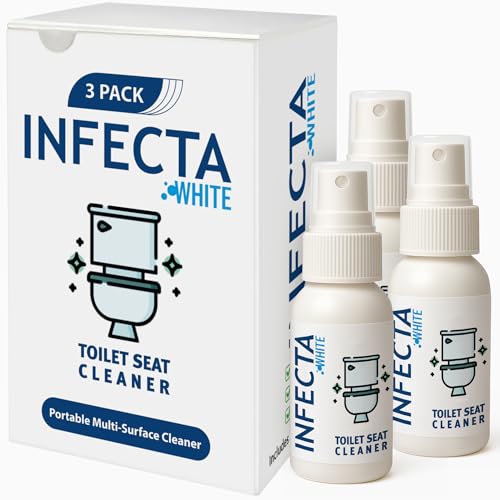
Each 50 ml bottle fits within typical carry-on limits for quick sanitizing on trips.
Key specs
- Bottle Volume
- 50 ml (Pack of 3)
Pros:
- Compact 50 ml bottles easily fit inside purse pockets, backpacks, or dopp kits
- Multi-surface spray handles toilet seats along with bathtubs while traveling
- Three-pack supply allows keeping separate bottles in luggage, car, and home
- Fresh scent provides immediate odor masking during away-from-home use
Cons:
- Small 50 ml volume requires frequent repurchasing for daily home use
- Spray application requires carrying dry paper or tissue to wipe clean

Key specs
- Scent Profile
- Fresh scent
- Pack Quantity
- Single 50 ml bottle
Pros:
- Ultra-compact 50 ml pocket bottle is ideal for individual carry and trial
- Cleans both toilet seats and bathtub surfaces in shared or hotel restrooms
- Fresh scent helps refresh unfamiliar or public restroom stalls instantly
Cons:
- Single 50 ml bottle empties quickly if used across multiple travel days
- Requires separate paper towels or toilet paper to complete the wipe-down

Key specs
- Disposal Method
- Flushable
- Packaging Format
- Individually wrapped single wipes for pocket carry and moisture retention.
Pros:
- Individually wrapped design prevents wipes from drying out between uses
- Flushable construction allows discreet disposal directly into the toilet bowl
- Slim packet format slides easily into pockets, wallets, or small clutches
- Direct wipe application avoids airborne spray mist in public restrooms
Cons:
- Total wipe count is not specified on the listing and should be verified
- Plumbing systems with low flow or septic tanks may struggle with flushable fabrics
Last update on 2026-10-16 / Affiliate links / Images, Product Titles, and Product Highlights from Amazon Product Advertising API
Will regular toilet bowl cleaner ruin a plastic toilet seat?
Yes, standard toilet bowl cleaners can permanently damage plastic, resin, or vinyl toilet seats. Bowl cleaners rely on heavy acids designed for vitreous china porcelain, which chemically etch and yellow softer seat materials. To protect the finish, use a dedicated multi-surface bathroom cleaner confirmed safe for plastic, vinyl, and porcelain surfaces instead of applying bowl chemicals to the seat.
What is the best way to remove stubborn yellow urine stains from a toilet seat?
Apply a targeted toilet seat cleaner spray formulated specifically for stubborn yellow stains and urine residue. Letting the spray sit briefly dissolves dried organic matter and hard water marks before you wipe it clean. This lifts persistent discoloration on plastic and vinyl without abrasive scrubbing that scratches protective surface coatings.
Should you choose a spray cleaner, a mounted dispenser, or cleaning wipes?
Your choice depends on whether you clean at home, manage a shared facility, or need portability. Home bathrooms benefit from standard spray bottles and 500ml (16.9 oz) refill cartridges, while commercial settings often use a 400ml foam cleaner dispenser system. For cleaning on the go, individually wrapped wipes and compact 50ml travel sprays fit conveniently into personal bags.
How can you sanitize toilet seats when traveling or using public restrooms?
Carry a 50ml travel size multipurpose cleaning spray or flushable individually wrapped toilet seat cleaning wipes. Compact travel toiletries allow you to wipe down shared toilet seats or bathtubs and leave a fresh scent without carrying large bottles. The individually sealed packets prevent leaks and ensure a fresh wipe whenever you need one.
How do you treat hard water marks on plastic toilet seats without scratching them?
Use a multi-surface bathroom spray formulated to lift hard water marks and urine residue from plastic, vinyl, and porcelain. Harsh abrasive powders scour micro-grooves into plastic that trap grime later, so liquid cleaners are safer for maintaining a smooth gloss. If mineral deposits continually cloud your fixtures, running a water softener cleaner through your home water system helps curb mineral scale before it dries onto seat surfaces.
Can you flush toilet seat wipes after cleaning?
Only wipes specifically marked as flushable individually wrapped toilet seat cleaning wipes should go into the toilet bowl. Standard wipe products, such as those from a general wipe refill pack, do not break down in water and will clog residential plumbing. Always check the packaging label to verify flushability before dropping any wipe into the drain.